Latest Issues
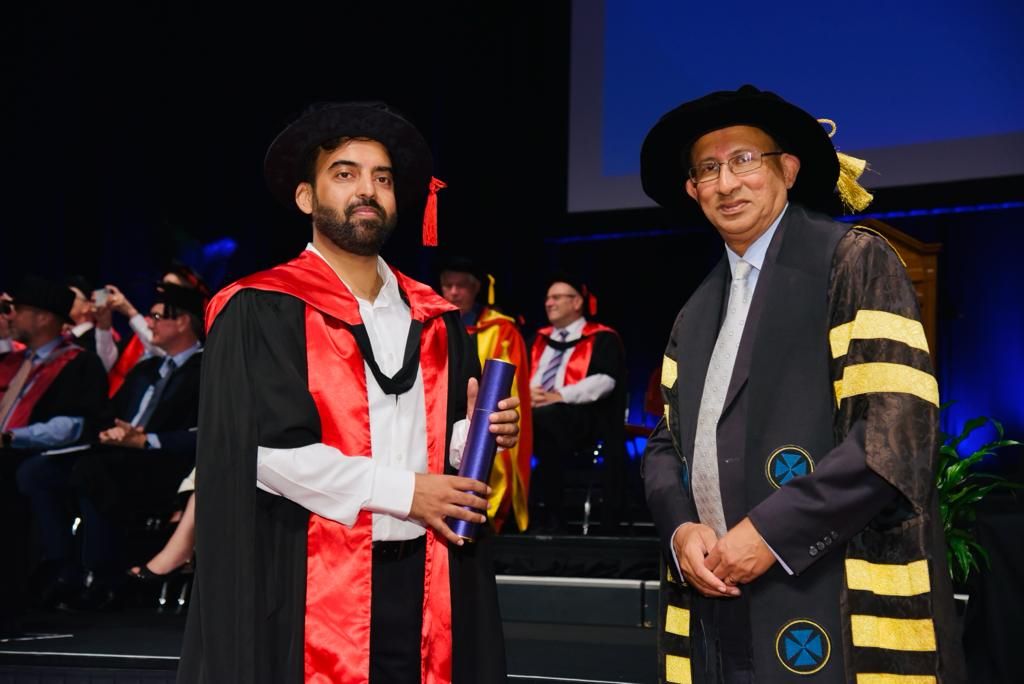
From a small village in Pakistan to a PhD in Australia
The Scholarship Journey is a fortnightly newsletter where I share my experience of going from a small village in Pakistan to completing a fully funded PhD at The University of Queensland, Australia. Through practical advice, real stories, and lessons learned, I'll guide aspiring Master's and PhD students through every stage of the scholarship process from choosing universities and contacting supervisors to writing research proposals, securing funding, adapting to student life in Australia, and building a successful research career. My goal is simple: to make your scholarship journey clearer, more informed, and a little easier than mine.
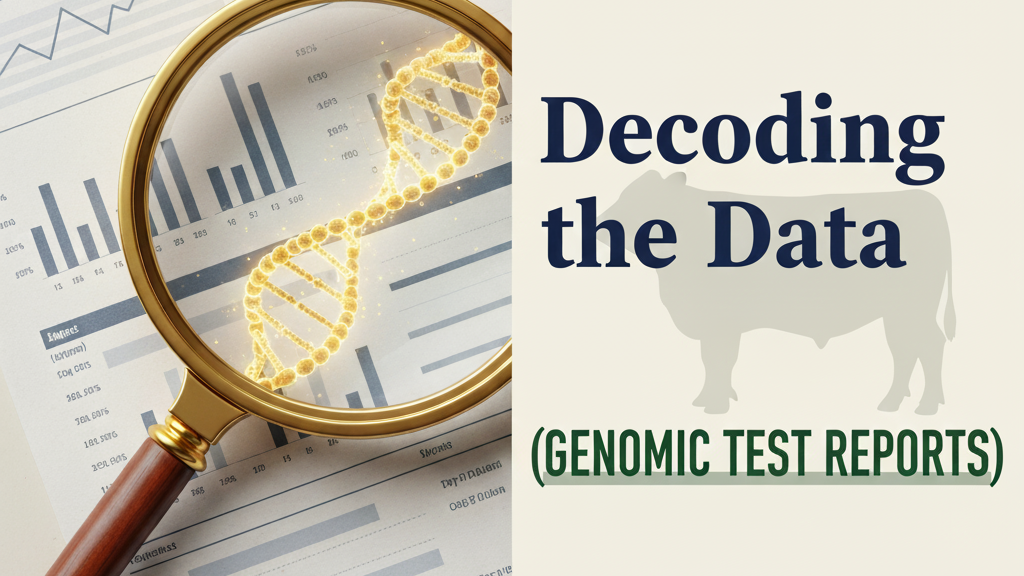
Decoding the Data: An Australian Breeder's Guide to Reading Genomic Test Reports
You’ve made the strategic investment. The tissue sample is taken, sent to the lab, and after a few weeks, the email pings. Your animal’s genomic test report has arrived. You open the PDF, ready for insight, and are met with a cascade of numbers, acronyms, graphs, and percentiles that can feel as impenetrable as legal fine print. That initial wave of overwhelm is a shared experience among even the most seasoned breeders. This feeling, however, is where the old way of breeding meets the new. For generations, we relied on the visible (the phenotype), the pedigree chart, the eye of the master. These remain invaluable, but they are inherently historical and incomplete. Genomics gives us a forward-looking, quantitative lens on an animal's genetic potential. This guide is designed to be your definitive translator. We will move beyond simply defining terms to building a foundational understanding of how this data is generated and, most importantly, how you can action it. By the end, this report will transform from a perplexing document into the most powerful tool in your breeding cabinet, allowing you to make selections with unprecedented confidence and precision.
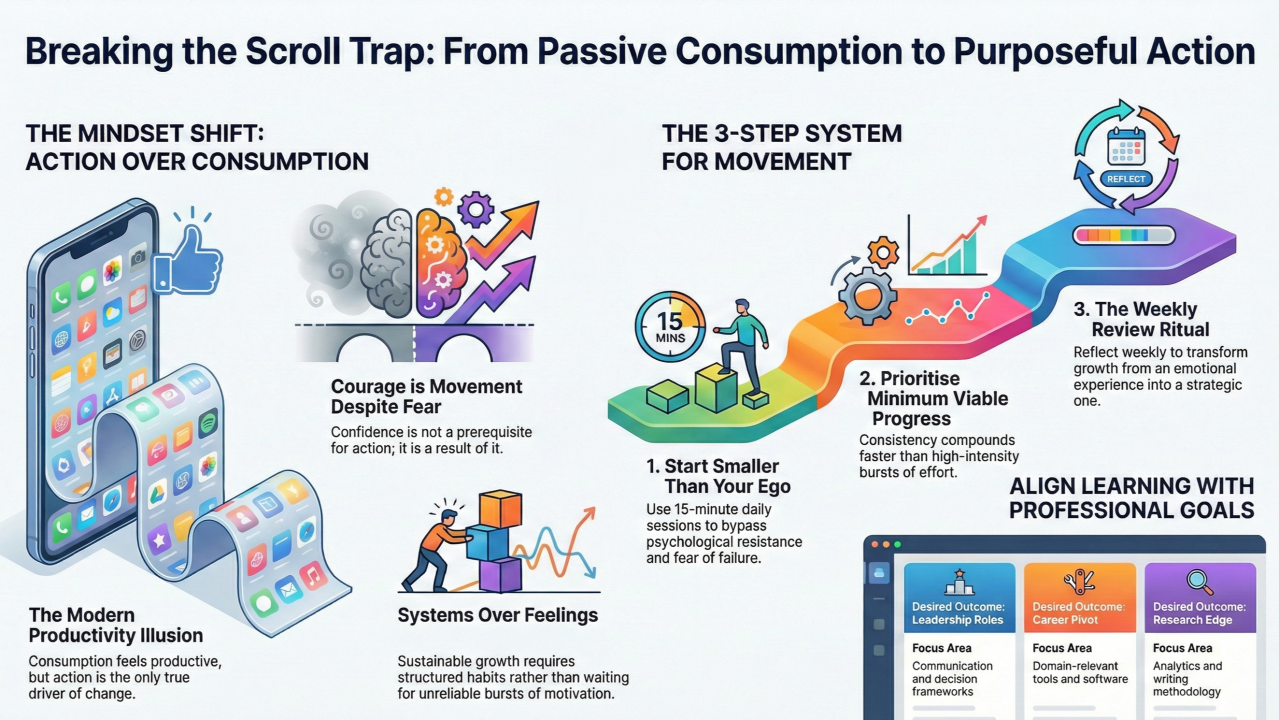
The Scroll Trap: Why We Stay Stuck And How to Move Anyway
We’ve all lived this moment. You open your laptop. You pick up your phone “just for a minute.” You start scrolling. An hour passes. You see people launching startups. Publishing papers. Learning new skills. Switching careers. Building things.
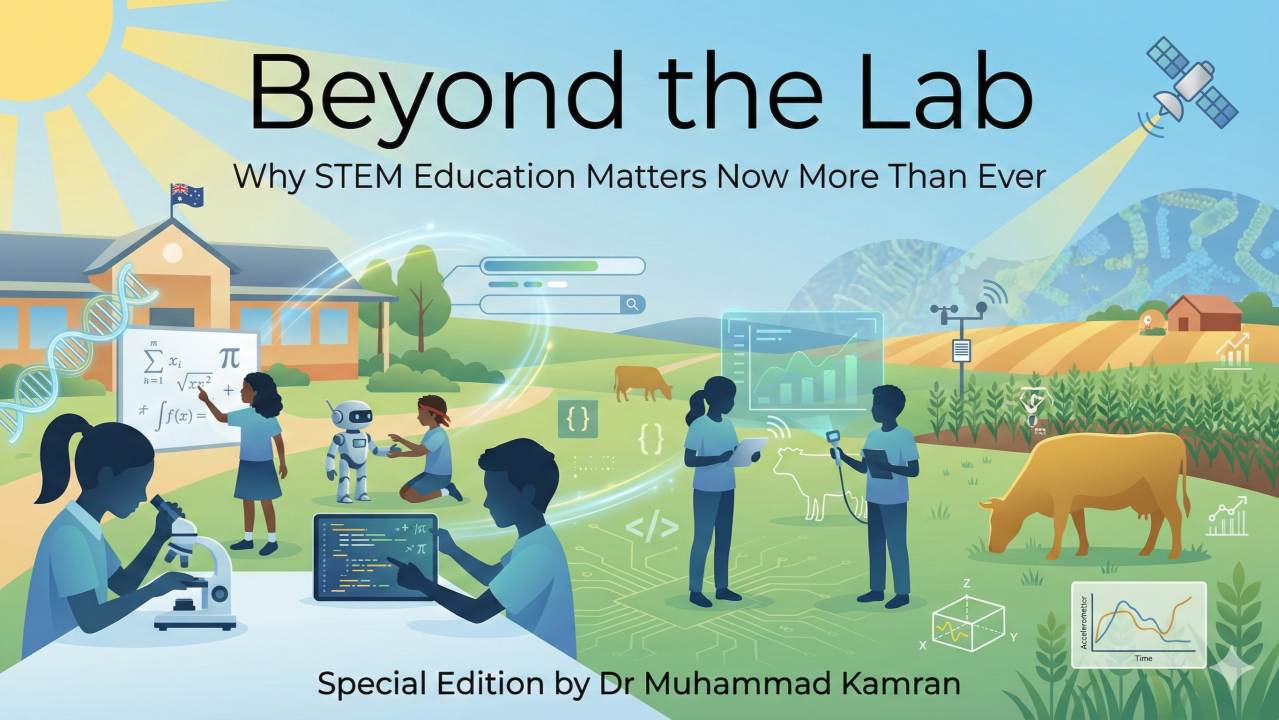
WHY STEM EDUCATION MATTERS MORE THAN EVER
During a school visit as a Young Science Ambassador, a student quietly asked me: “Why do we study science if we are not planning to become scientists?” It was an honest question and an important one because many students still see STEM as a narrow career path rather than the foundation of almost every modern industry in Australia. When I shared examples from my research, such as how we used accelerometers to monitor cattle behaviour, cameras and visual scoring to quantify buffalo fly burden and proteomics to understand immune responses, the class immediately understood that STEM is not only found in labs. STEM is behind livestock health, food production, environmental monitoring and the technologies that shape our daily lives. That single conversation reminded me why STEM education matters. It ignites curiosity. It builds confidence. It gives students a language to understand a rapidly changing world. Australia is entering a decade of complex challenges including climate adaptation, food security, digital transformation, healthcare innovation and environmental resilience. These challenges require a workforce that is STEM literate and adaptable.